

The Manufacturing Process of Acetate Fiber Board Eyeglasses
Nov 10, 2026
Leave a message

A high-quality acetate eyeglass frame, before the cutting and processing stage, the raw material stage has already determined its color, wearing comfort, stability, and production cost. This article introduces the complete process of the sheet-cutting type acetate frame (the injection molding type of acetate frame production method is different).
- Raw materials: Where does the acetate sheet come from?
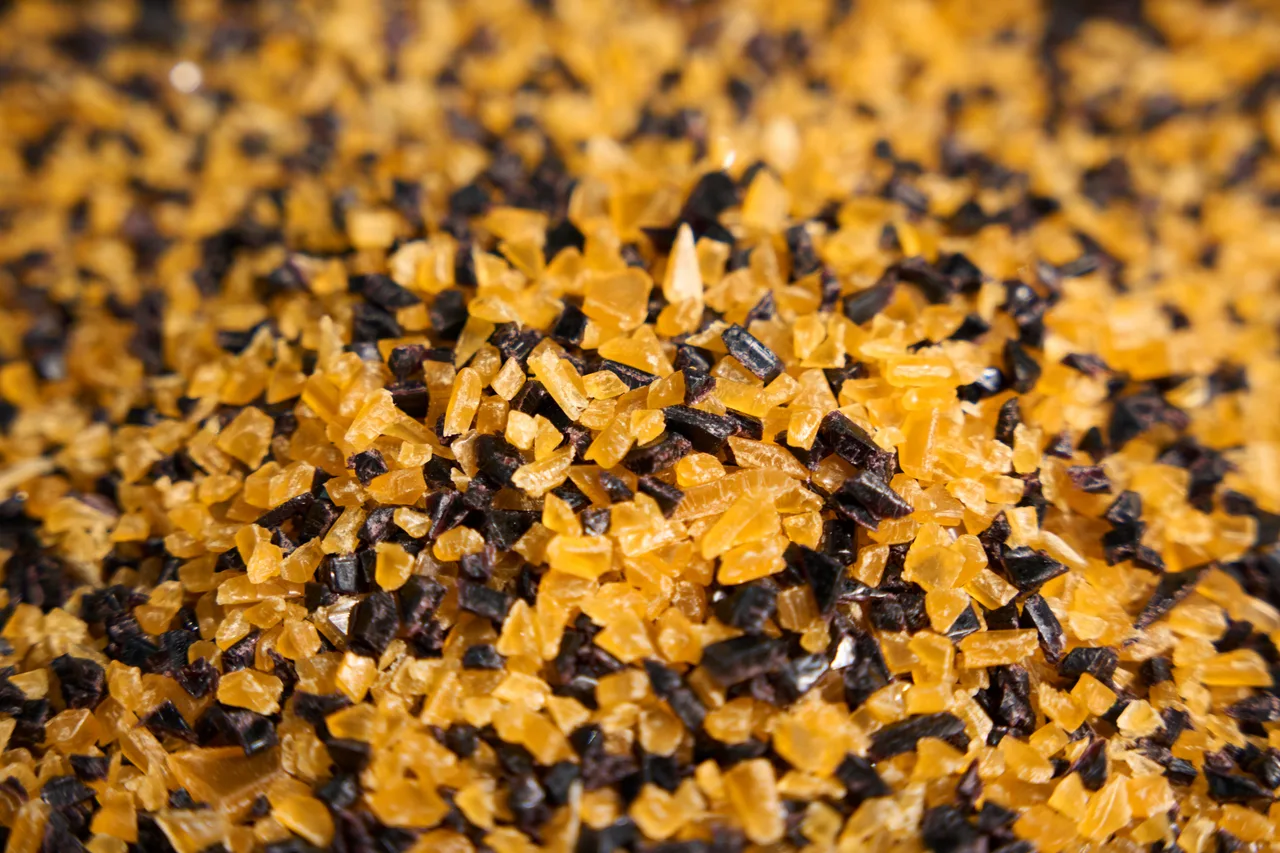
Acetate fiber is a chemically modified cellulose polymer material, with the raw material sourced from wood pulp and cotton lint. Cellulose undergoes an acetylation reaction, then mixed with plasticizers and colorants to obtain the basic material for making eyeglass frames. The general labeling of "high-grade acetate" on the market does not represent quality; what really matters is the specific formula, the supplier of the sheet, and the batch specifications.
Acetate can achieve various effects such as transparency, solid color, tortoiseshell pattern, stripes, gradient, and multi-layer color blending. The color and texture run through the entire sheet, only the actual sample after cutting and polishing can accurately reproduce the final product effect. It is not just based on the flat color card. The sheet can be produced through three processes: pressing, extrusion, and laminated composite. The process directly affects the pattern, thickness, and subsequent processing performance.
After the sheet is produced, it needs to go through drying, maturation, and constant temperature and humidity adjustment. The material manufacturer completes the maturation, and the processing factory needs to undergo environmental adaptation treatment again before production. According to the suggestion of the well-known manufacturer Mazzucchelli, the sheet is suitable for storage in a 20-25°C environment with a relative humidity of 45-55%; forcibly drying at high temperatures will make the sheet brittle. The brand should agree on the humidity standard in writing with the factory, and cannot simply rely on calendar time to determine if the material is ready.
- Eyeglass frame processing: From sheet to finished eyeglass frame
Based on the confirmed design drawings, cut the blank from the acetate sheet, and use CNC numerical control machines to mill the frame front, nose bridge, lens ring, and frame leg contours. The cutting direction and color of the pattern are equally important. During the prototyping stage, test the wearing experience, confirm the nose bridge support, frame leg length, frame width, and lens fitting space. It should be visually appealing, but also fit well when worn.
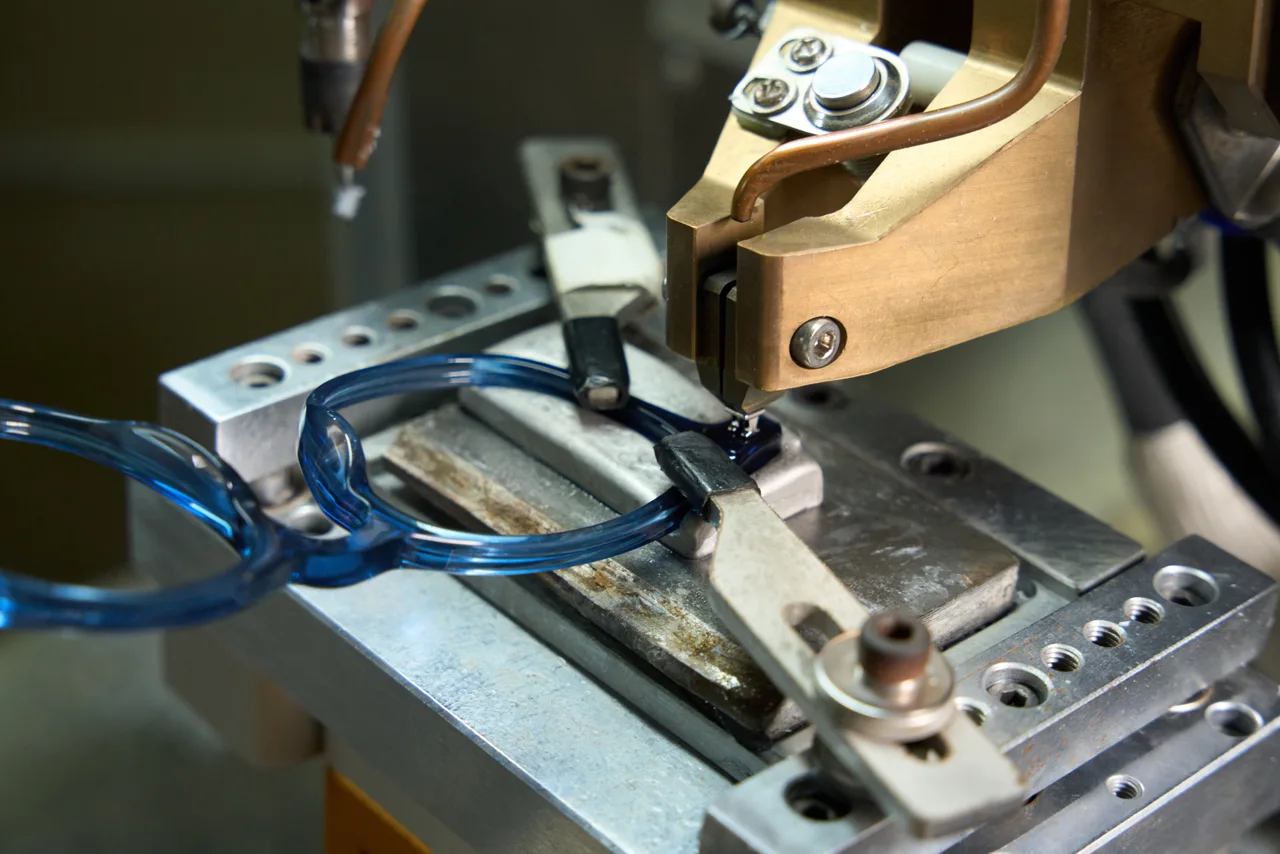
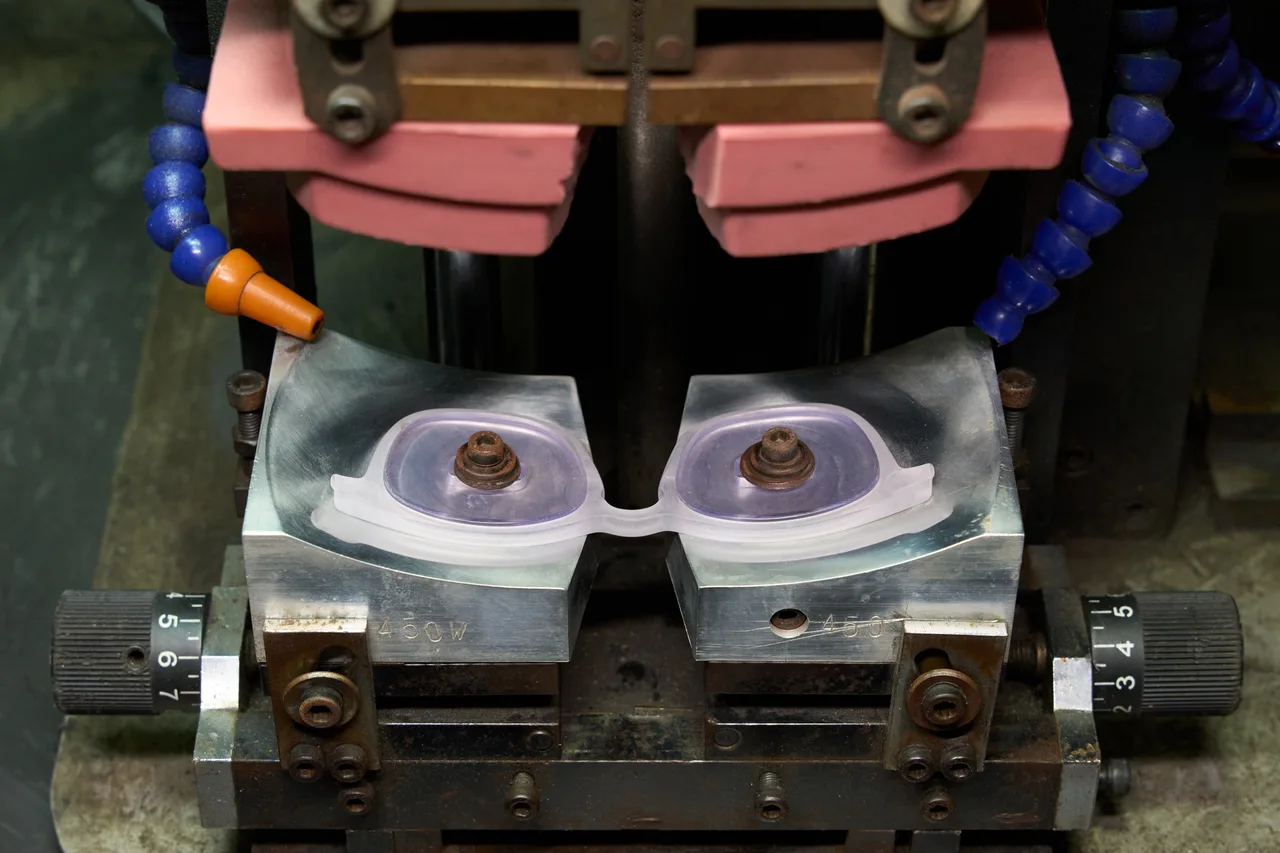
After the milling is completed, make the frame curvature through temperature-controlled heat setting, and assemble hinges, frame core, and other hardware accessories. The assembly process of different factories may vary, but the core is that the mass production must be consistent with the specifications of the confirmed sample.
Then comes the surface treatment: roller grinding, sandpaper polishing, and polishing. Some edge and corner details require manual refinement. However, excessive material removal during polishing will damage the frame lines and key dimensions. After polishing, the appearance and dimensions need to be rechecked.
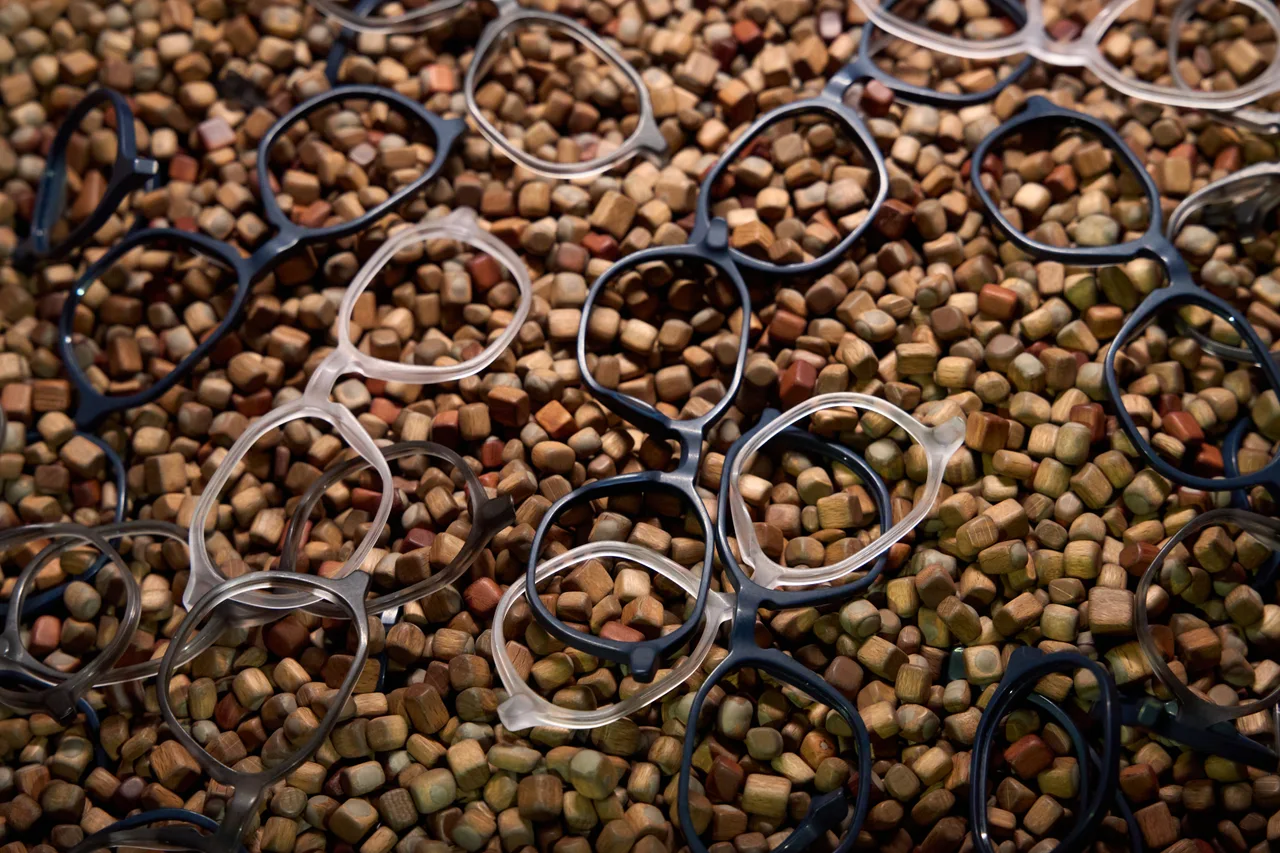
Finished product acceptance requires clear standards for size tolerance, symmetry, surface flaws, hinge opening and closing, lens clamping force, wearing fit, and other criteria. Retain the confirmation sample, and clearly define the handling plans for defective products and supplementary parts. Export products must also meet the testing requirements of the target market.
- Production cycle, order quantity, and custom sheet production
1. Delivery reference: When the sheet is in stock, the production cycle of acetate eyeglass frames is approximately 60-90 days; if the sheet needs to be re-produced, it will add about 40 days, and the overall cycle is 100-130 days. Capacity, and the complexity of the style will change the actual duration. The delivery period starts from sample confirmation and the official order, and the time for sampling, custom color, and maritime customs clearance should be separately calculated.
2. Order quantity reference: The common reference in the industry is 300 pairs for a single style and 100 pairs for a single color; some factories require 600 pairs for a single style and 200 pairs for a single color. This is not a uniform standard. It is recommended to prioritize small batch trial production to verify the wearing, durability, and market feedback, and then place a large order. Do not just focus on the unit price of the item; calculate the overall investment cost.
3. Custom acetate sheet: Develop exclusive colors, patterns, and multi-layer color blending sheets. The starting reference for the material side is approximately 30 kilograms per color. Note that 30 kilograms does not equal a fixed output of how many pairs of glasses.
The size of the frame, the thickness of the material, the waste from layout and cutting, and the scrap due to defects, all these factors will affect the production of finished products.
For example: The raw material for each pair of frame blanks is 50g, and the theoretical output is 600 pairs; 75g can produce 400 pairs; 100g can only produce 300 pairs. It is necessary to confirm the cutting plan and the actual material consumption per pair with the factory, and also distinguish the thickness of the front frame material and the lens frame material. If one thickness of the material is insufficient, it cannot be compensated by the remaining thickness of the other type.

- Selecting materials and factories
The mainstream material suppliers in the industry include Mazzucchelli 1849, which is located in Italy and China, as well as JIMEI in China. When choosing a factory, it is not necessary to blindly pursue European or Asian origins. It should match your product positioning, quality expectations, and order volume. The selection of materials, prototyping, testing, and order planning need to be comprehensively considered. The one that suits the project itself is the best choice.

- Summary of common points
- The drying and curing time of the material is not the same as the production delivery time of the frame. They are separate;
- New brands can develop exclusive acetic acid colors, but they must also meet the minimum purchase quantity of the material and the minimum order quantity of the frame factory. It is necessary to confirm the physical material and the finished product sample first;
- The output of 30 kilograms of custom material is a theoretical estimate. Waste, frame size, and other factors will change the final delivery quantity.