

Protect Your Eyes: The Startling Truth About UV Rays and Eye Health
Nov 16, 2026
Leave a message

When it comes to UV protection, most people's first reaction is to apply sunscreen to protect their skin, but they often overlook the fact that their eyes are also suffering from invisible harm from UV rays. UV rays can quietly damage the eye tissues and pose a serious threat to vision health. This article will analyze the various types of damage UV rays cause to the eyes and how to protect them properly.
- Understanding UV rays and their hazards
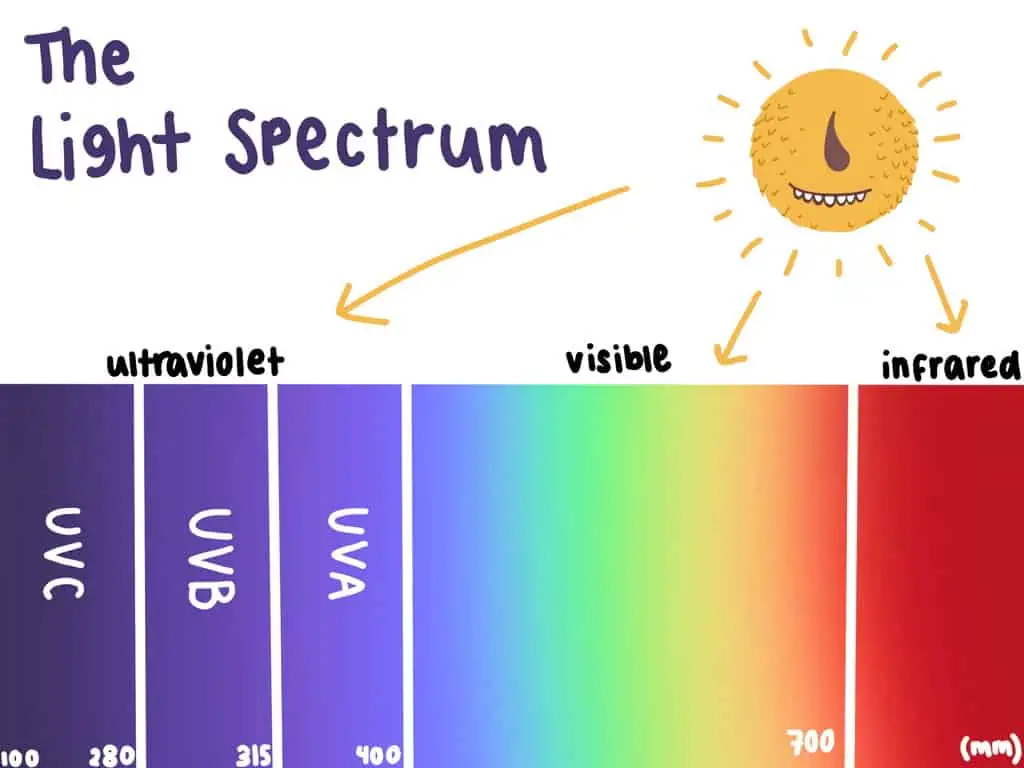
UV rays are electromagnetic radiation originating from the sun. Even on cloudy days, UV rays can penetrate the atmosphere and cause harm. UV rays are classified into UVA, UVB, and UVC. Among them, UVC is blocked by the ozone layer and cannot reach the ground; UVA and UVB, if not protected against, will damage the eyes.
- UVA: Silent harm to the eyes
UVA can penetrate the cornea and reach the lens and retina inside the eye. Prolonged excessive exposure to UVA can increase the risk of cataracts and is also associated with age-related macular degeneration, which is a major cause of vision loss in the elderly.
- UVB: High-energy direct damage to the eyes
Some UVB rays are filtered by the ozone layer, but the remaining ones are still highly threatening. Most of these high-energy rays are absorbed by the cornea and can directly cause photokeratitis, also known as "sunburn" of the eyes. During the onset of the disease, there is intense pain in the eyes, and even temporary vision loss may occur.
- Long-term eye hazards caused by UV rays
UV ray damage has a cumulative effect. Besides the current eye discomfort and frequent squinting, over time, it can also trigger various eye diseases.
Cataracts: This condition is characterized by cloudy lens and blurred vision. The World Health Organization states that about 20% of cataracts worldwide are caused by excessive UV exposure. Such cataracts can be completely prevented through eye protection.
Macular degeneration: This disease damages the retina, causing central vision impairment. Age is the main cause, but UV radiation accelerates the progression of the disease.
Pterygium and pinguecula: Both are types of tissue hyperplasia on the eye surface, more common in people who are exposed to outdoor sunlight for a long time. Pterygium is also called "surfer's eye" and, if it continues to develop, can cause astigmatism and corneal lesions, interfering with normal vision.
Protecting the eyes properly to resist UV rays
Just like sunscreen protects the skin, a good pair of glasses, even in slightly cloudy weather, can block UV rays and protect the eyes.
Many people have a misconception that as long as the lens color is dark, it can protect against UV rays. Not all sunglasses have reliable UV protection capabilities. When choosing sunglasses, make sure to select products that can 100% block UVA and UVB. Sun glasses without UV filtering function are even more dangerous: dark colors cause the pupil to dilate, allowing more UV rays to enter the eye interior, exacerbating eye damage.